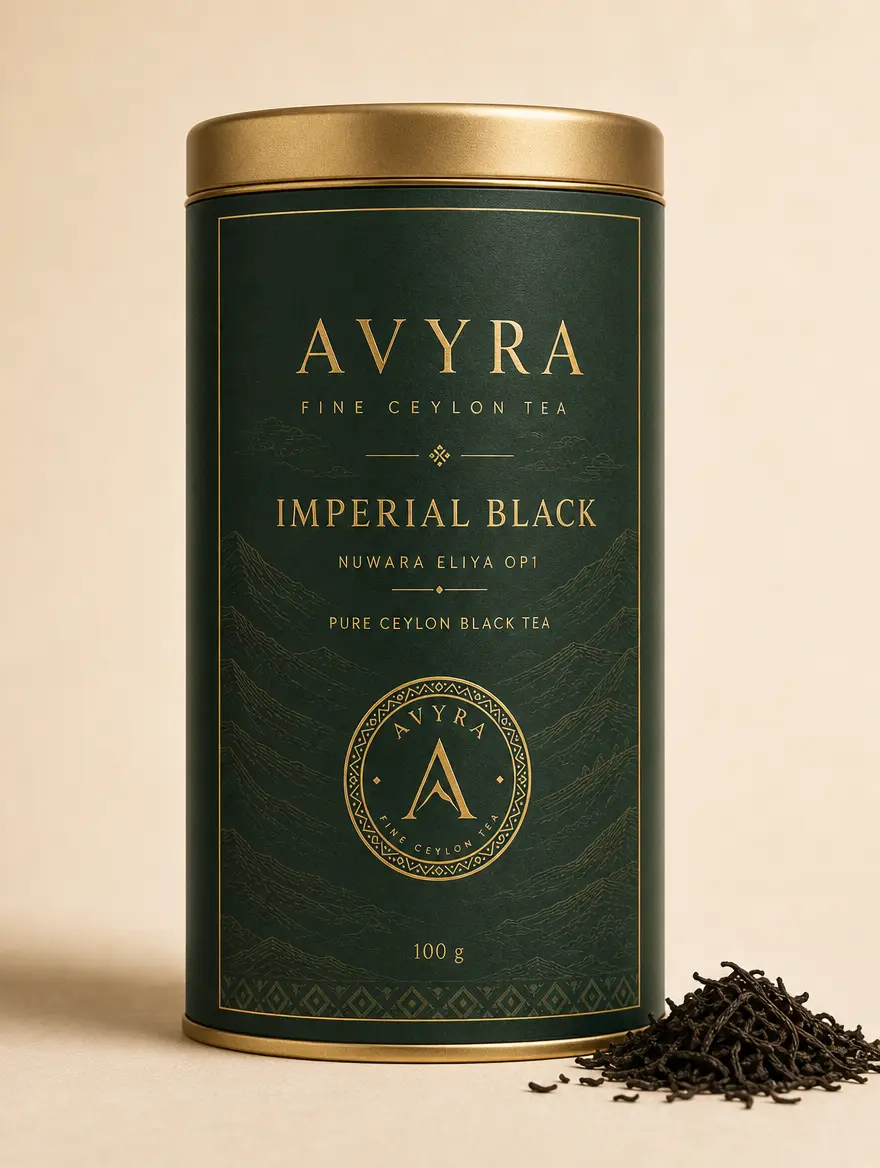
Tea Origins · 4 min read
Nuwara Eliya
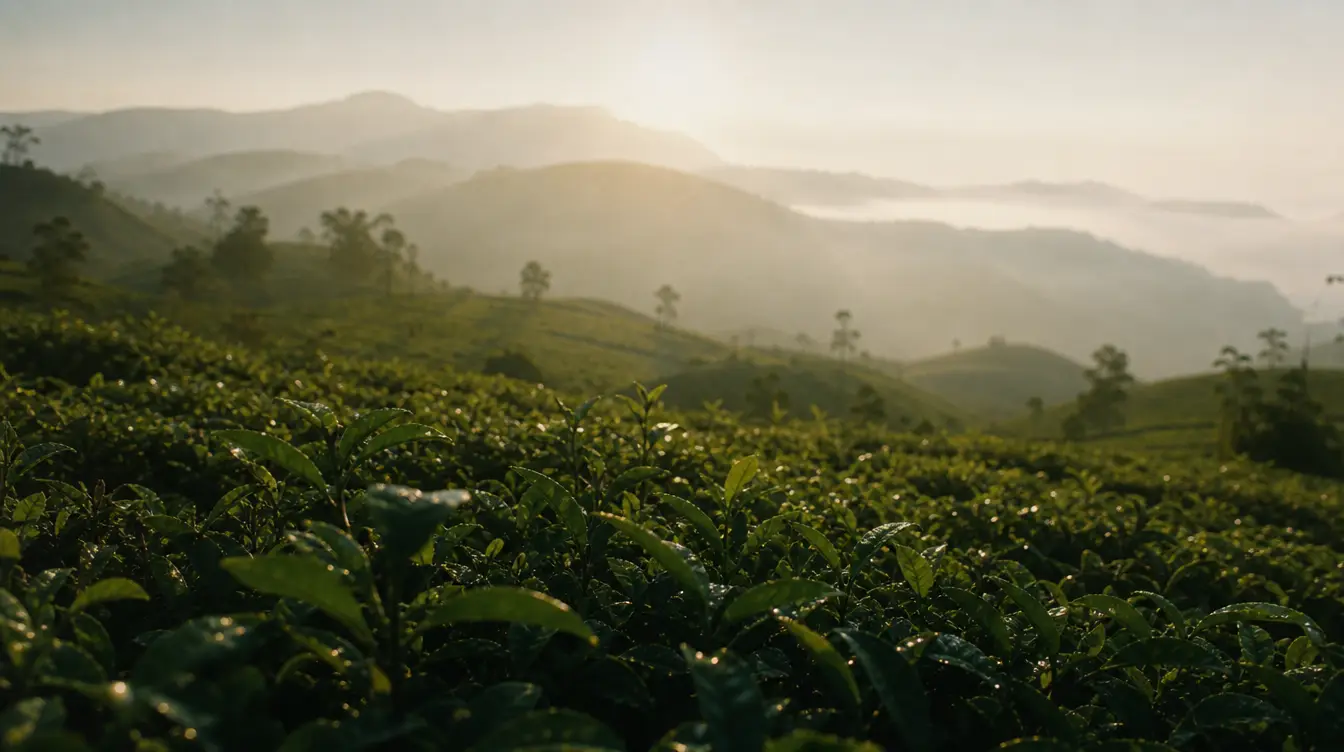
The island's highest district, where cold nights slow the bush and concentrate the leaf.
- Elevation
- 1,800–2,000 m
- Climate
- Cool days, cold nights, near-constant highland mist.
- In the cup
- The lightest and most fragrant of Ceylon's regions. Pale liquor, delicate and brisk.
Height changes everything
Nuwara Eliya sits close to two thousand metres, high enough that night temperatures fall sharply and frost is not unusual. A tea bush at that altitude grows slowly. It puts out fewer leaves, and the leaves it does put out are smaller and more concentrated.
That slowness is the whole point. Growth that takes longer accumulates more of the aromatic compounds that survive processing, which is why the highest-grown Ceylon teas are also the most fragrant — and why they are picked in smaller quantities than anything from the lower slopes.
What the mist does
The district is under cloud for much of the year. Persistent mist cuts direct sunlight, and shaded leaf develops differently from leaf grown in full sun: less astringency, more delicacy.
The result in the cup is unmistakable. Nuwara Eliya liquor is the palest of the Ceylon regions — closer to straw than copper — and it is brisk rather than heavy. It rewards a shorter steep and slightly cooler water than a low-grown black tea would want.
How to drink it
Serve it plain. Milk overwhelms it, and so does boiling water held too long. Treat a high-grown Ceylon closer to how you would treat a good green tea: keep the temperature just off the boil, keep the steep short, and taste it before you decide it needs anything.